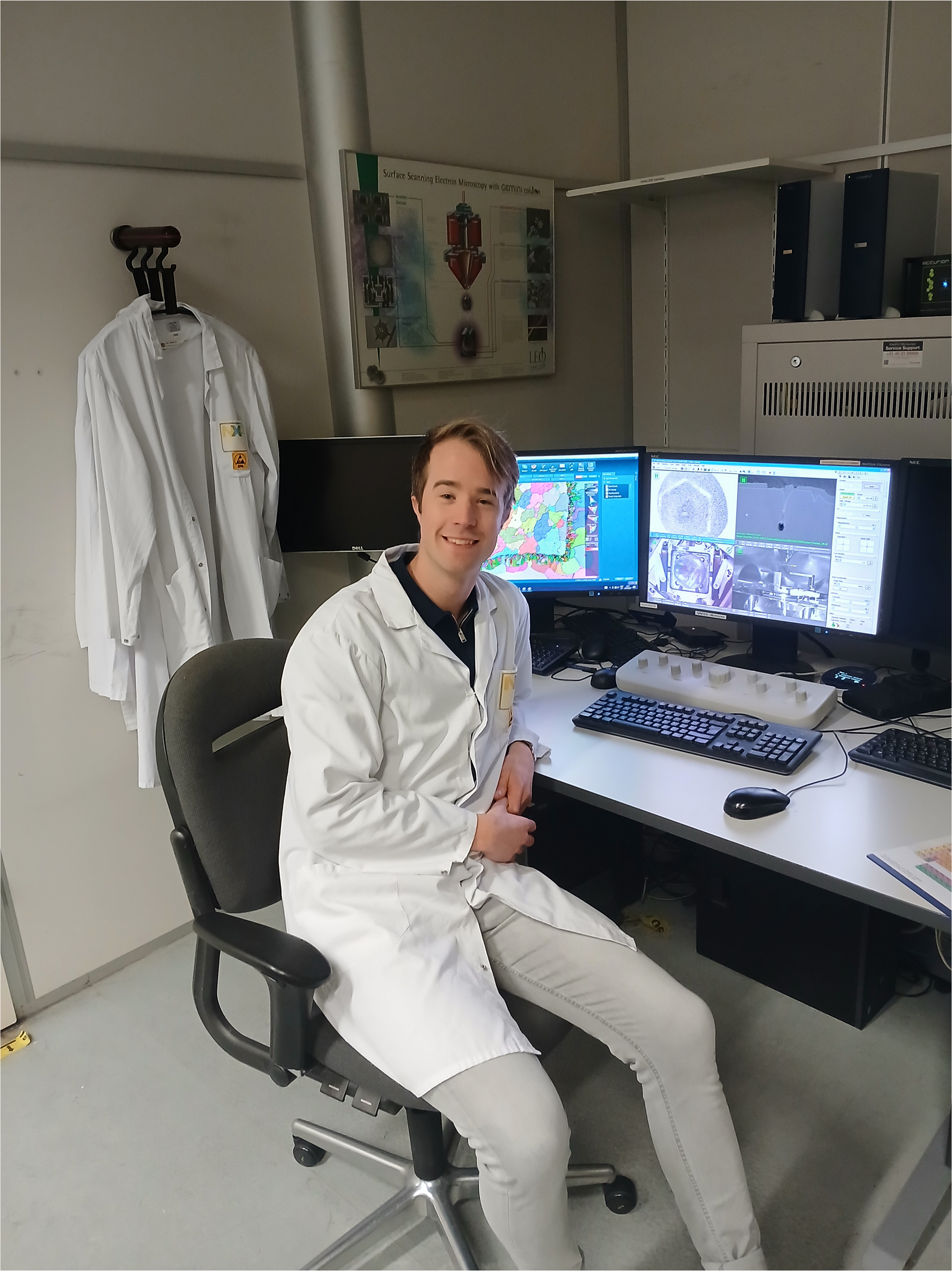
Studying abroad is the beginning of a new everyday life. In the Netherlands, you'll quickly feel at home thanks to welcoming student communities, vibrant cities and an international atmosphere.
Do you need to speak Dutch? The answer is no. English is widely spoken in the Netherlands. You’ll hear it in classrooms, shops, student communities and many workplaces. All study programmes featured on this website are taught entirely in English.
Although you don't need Dutch to get started, learning Dutch does help you integrate more quickly and feel more connected.
Do you need to speak Dutch? The answer is no. English is widely spoken in the Netherlands. You’ll hear it in classrooms, shops, student communities and many workplaces. All study programmes featured on this website are taught entirely in English.
Although you don't need Dutch to get started, learning Dutch does help you integrate more quickly and feel more connected.
Moving to a new country is a big step and can feel overwhelming. Fortunately, the Netherlands is known for its safe, open and inclusive society, where people from many different cultures and backgrounds live, study and work together.
As one of the world’s safest places to study, it offers high student satisfaction and a welcoming international community.You'll also receive support from your university of applied sciences. From international student advisers to study coaches, there's always someone to help you settle in.
- Lotte Beernink, student counsellor at Saxion University of Applied Sciences.
Student life in the Netherlands is social, international and easy to join. The open atmosphere makes it easy to meet people, build friendships and feel part of the student community.
And the best thing? There is so much more than classes and lectures. Whether you’re exploring historic cities, cycling with friends, visiting festivals and museum or simply relaxing at a café, you’ll have the freedom to create a student life that’s truly your own.
Curious how you can kickstart your student life in Netherlands? Take a look at the largest introduction week in Europe. The KEI-week in Groningen.
The campus, supermarkets and the city centre are often just a short bike ride away. Dutch cities are compact, making it easy to get wherever you need to be. Don’t be surprised if your bike becomes one of your everyday essentials!
Trains, buses, trams and metros connect cities across the country, so you can easily discover new places, visit friends or travel to the airport. All without needing a car.
Living in the Netherlands also means Europe is on your doorstep. With good rail connections and airports nearby, it’s perfect for travelling home, welcoming visiting family or a European city trip.
Living costs for international students in the Netherlands are typically between €1,000 and €1,500 per month. This usually covers accommodation, groceries, transport, health insurance and leisure activities. The exact amount depends on where you live and your lifestyle. Your university of applied sciences can provide a more accurate estimate based on your study situation and city.
Read Vuslat's blog, 'going dutch or going broke', at studyinnl.org to gain realistic insight into her expenses and learn about ways to live in a more budget-friendly way.
– Deniz from Turkey
A part-time job can be a good way to help support your student life. Besides earning extra income, it's an opportunity to gain work experience, build your confidence and get to know Dutch working culture.
Whether you're from the EU/EEA or outside Europe, the rules for working alongside your studies are different. Make sure you check what applies to your situation before you start.
As an EU/EEA student, you may be eligible to receive a basic grant (basisbeurs) from the Dutch government, provided you work a minimum number of hours
One of the first things you'll need to arrange is a place to live.
To help you get started, we work with trusted housing partners that reserve rooms especially for (first-year) international students.
As accommodation is in high demand, we recommend starting your search as early as possible and exploring other housing options too. Your university of applied sciences can also point you towards reliable providers and temporary accommodation.
The weather in theNetherlands is famously unpredictable. Don't be surprised if you experiencefor seasons in one day. And that's part of its charm.
The trick is simple:
Dress in layers, keep a raincoat close and enjoy the terrace when the sunappears. Cheers!
Discover Dutch favourites like stroopwafels and bitterballen. Or explore the many international flavours you'll find in student cities. With supermarkets, fresh markets and plenty of healthy options nearby, you'll quickly feel at home in the kitchen too.
Ready to taste the Netherlands? Discover 10 Dutch treats you need to try.
Any questions? We’ve answered the most common ones for you.